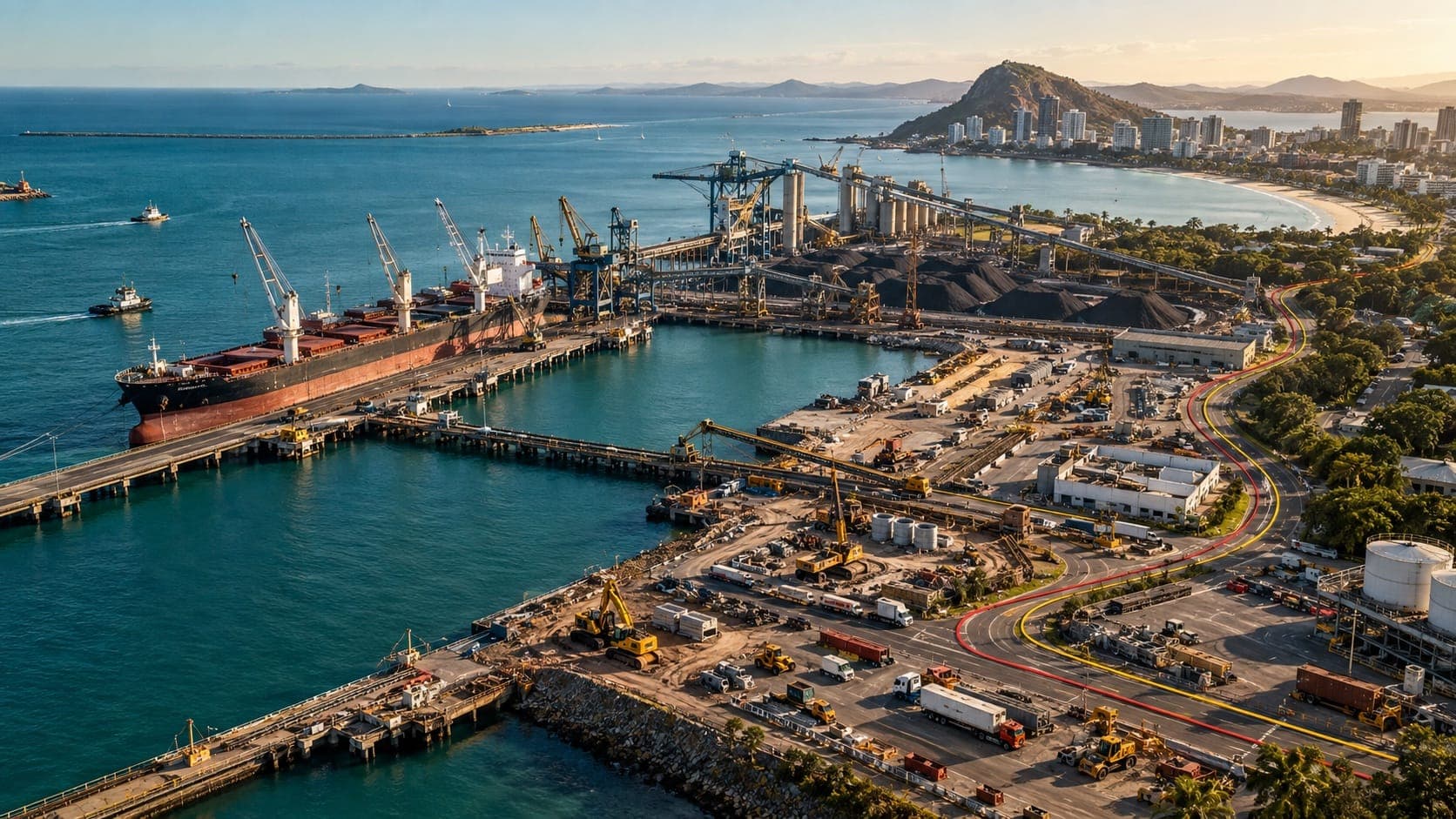
Refineries, smelters, power stations, processing plants and manufacturing sites rely on hired plant to maintain their assets, especially during planned shutdowns. This guide covers the equipment commonly hired for industrial maintenance, the permit and hazardous area controls hired plant must work within, and how suppliers prepare for high-pressure shutdown windows.
01 / Plant used in industrial maintenance
Access equipment dominates many industrial maintenance programs. Boom lifts, scissor lifts and mast climbers give crews safe access to pipework, vessels and structures, and larger sites may hire dozens of units for a shutdown. Mobile cranes and franna-style pick and carry cranes lift valves, heat exchanger bundles and structural components, while telehandlers move materials around congested plant areas. Selecting plant for a shutdown usually starts with a walkdown of the site, because access routes, ground bearing and overhead obstructions limit what can fit.
Support equipment is equally important. Air compressors power tools and blasting equipment, diesel generators provide temporary power when sections of a site are isolated, and lighting towers allow work to continue around the clock. Vacuum loading trucks, hydro blasting units and industrial cleaning plant are often supplied by specialist contractors but coordinated alongside hired general plant under the same site systems.
02 / Permit systems and isolation
Industrial sites control work through permit to work systems, and hired plant cannot simply arrive and start. Permits typically cover hot work, confined space entry, work at height, excavation and energy isolation. Plant operators and supplier technicians need to understand how the permit system works, who issues permits, and what they must do before starting or stopping a task. Permit requirements can add time to each task, and hire planning should allow for that rather than assume immediate starts.
Isolation of energy sources, including electrical, mechanical, hydraulic and process energy, is central to maintenance safety. Hired plant may itself need to be isolated during servicing on site, and suppliers should expect their technicians to follow site isolation and lockout procedures. Personal danger tags and isolation locks are usually issued by the site and must be used as directed. Supplier personnel who are unfamiliar with these systems should be trained before arriving rather than learning on the first shift.
03 / Hazardous areas and site standards
Refineries, chemical plants, gas facilities and some processing sites contain hazardous areas where flammable gases, vapours or dusts may be present. Diesel engines and electrical equipment can be ignition sources, so plant working in these areas may need to be specifically protected, fitted with spark arrestors and engine shutdown valves, or excluded entirely. Hazardous area requirements should be confirmed with the site before plant is selected.
Beyond hazardous area controls, industrial sites commonly have their own mobile plant standards covering items such as spill kits, fire extinguishers, beacons, reversing alarms and pre-start inspection documentation. Suppliers should also expect inspection records for lifting equipment, periodic inspection certificates for elevating work platforms and cranes, and evidence of operator competency. These documents are often checked at the gate, so they should be complete before the machine is dispatched.
04 / Planning for shutdowns
Major shutdowns are planned many months in advance, and plant requirements are usually defined well before the outage begins. Suppliers are commonly asked to confirm availability, prepare machines to site standards and complete site inspections before the shutdown starts. Late additions still occur, so suppliers that keep some flexible capacity during a client's shutdown window are often favoured. Clients may also schedule a pre-shutdown meeting where suppliers confirm quantities, delivery sequence and laydown locations.
During the shutdown itself, time is the scarcest resource. Every hour the plant is offline has a cost to the owner, so breakdowns of access equipment or cranes can delay critical path work. Hirers should expect suppliers to provide on-site technicians, spare machines and rapid replacement arrangements for the duration of the outage, and should confirm these in the contract.
05 / Contracting for maintenance work
Industrial clients often engage maintenance contractors under long-term service agreements, with hired plant supplied through those contractors or directly under a panel arrangement. Prequalification commonly covers safety performance, systems, insurances and experience on similar sites. Some clients require suppliers to be approved on a specific contractor management platform before any work proceeds. Registration can take weeks, so suppliers new to a client should start the process well before the next planned outage.
Hire pricing for maintenance work ranges from daily rates for short jobs to monthly rates for equipment kept on site between shutdowns. Shutdown hires may attract premium rates reflecting the short, intensive use and the level of support required. Clarify charging for on-site technician time, mobilisation of additional units and extended hire if the shutdown runs beyond the planned window.
Field checklist
- Confirm hazardous area classifications before selecting plant
- Brief supplier personnel on the site permit to work and isolation system
- Provide inspection certificates for cranes, work platforms and lifting gear
- Complete site acceptance inspections before the shutdown begins
- Agree on-site technician and replacement machine arrangements for the outage
- Define rates for extended hire if the shutdown overruns
Frequently asked questions
What plant is typically hired for an industrial shutdown?
Common items include boom lifts, scissor lifts, mobile and pick and carry cranes, telehandlers, air compressors, diesel generators and lighting towers. The mix depends on the scope of work. Large shutdowns may require dozens of access units. Specialist cleaning and blasting equipment is often supplied by separate contractors but coordinated under the same site systems.
Can diesel plant be used in a hazardous area?
Only if it is suitably protected or the area has been assessed and made safe for its use. Diesel engines can ignite flammable atmospheres, so hazardous area plant often requires protection such as spark arrestors, air intake shutdown valves and surface temperature controls. The site's hazardous area classification and rules determine what is allowed.
Why do shutdown plant hire rates cost more?
Shutdowns concentrate demand into short, intensive periods, and suppliers often provide on-site technicians, backup machines and around-the-clock support. Machines may also need preparation to meet site standards. These costs are reflected in pricing. Planning early and consolidating requirements can help hirers secure availability and more predictable rates.
What documents do industrial sites ask plant suppliers for?
Sites commonly request insurances, safety management system details, plant inspection records, periodic inspection certificates for cranes and work platforms, lifting equipment certification and operator competency evidence. Some also require hazardous area compliance documentation. The exact list depends on the site and client, so request it well before mobilisation.