Hiring plant in the Northern Territory is shaped by two forces above all others: distance and the wet season. A handful of population centres supply an enormous area, and in the Top End the calendar decides what work is realistic long before a machine is booked.
01 / Darwin, Katherine, Alice Springs and the long gaps between
Darwin and Palmerston hold the Territory's largest concentration of hire yards, covering earthmoving, access equipment, cranes and general construction plant. Katherine, roughly three and a half hours south by road, is the next significant service centre and supports pastoral, defence and road work across the region. Tennant Creek offers more limited local supply in the Barkly, while Alice Springs anchors the arid south with its own contractors, depots and mechanical workshops.
Beyond these towns, most sites are serviced by mobilising plant over very long distances. Communities in Arnhem Land, the Tiwi Islands, the Victoria River District and the Central Desert may be hundreds of kilometres from the nearest yard, and some are reached only by barge or by roads that close seasonally. For remote jobs, the question is often not which supplier is cheapest but which one can realistically get a reliable machine there and keep it running.
02 / Defence, resources, roads and remote communities
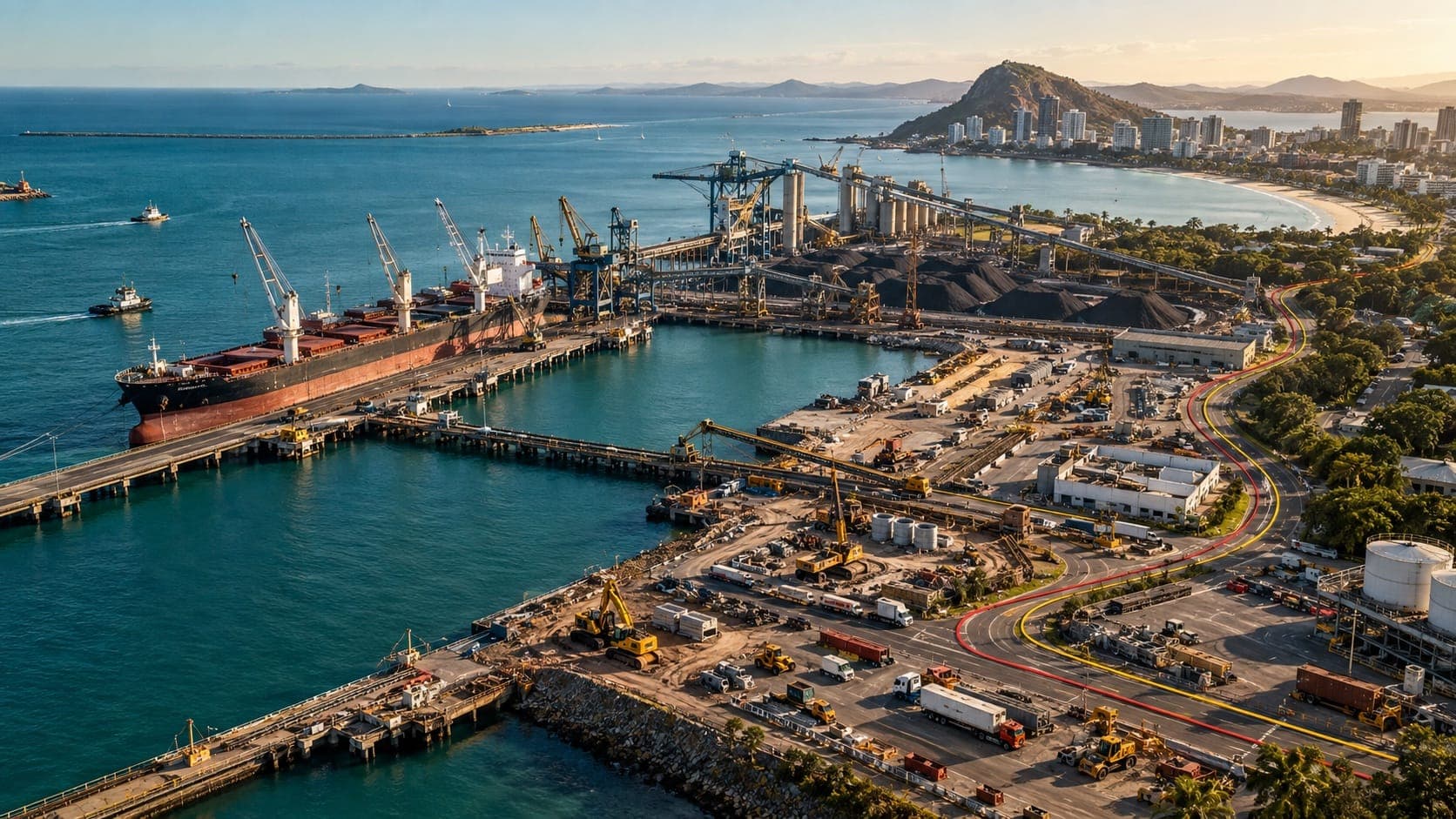
Defence is a significant presence in the Top End, with bases and training areas around Darwin and Katherine generating ongoing construction and maintenance work. Such sites typically carry security, induction and access requirements that suppliers need to be ready for. Port, industrial and gas-related activity around Darwin Harbour adds a further stream of civil, crane and heavy-lift demand, often with its own permit-to-work systems.
Across the Territory, mining and exploration, pastoral station work and road maintenance keep graders, loaders, water carts and excavators in demand. Housing, infrastructure and essential services in remote communities are another steady source of work, often requiring contractors to bring everything they need, including fuel, spare parts and accommodation. That self-sufficiency is a key test when assessing a supplier's suitability for work outside the main towns.
03 / Working with the build-up and the wet
In the Top End, the wet usually arrives around November and lingers until about April, preceded by the humid build-up. Heavy monsoonal rain and storms can close unsealed roads for weeks, flood low-lying crossings and make many sites unworkable, and cyclones are possible through the same months. Earthworks and remote civil projects are therefore programmed for the dry, which concentrates demand for plant and transport into the middle of the year.
Even in the dry, heat is a constant consideration. High temperatures affect operator fatigue, engine cooling and tyre wear, and cabins with reliable air conditioning are more than a comfort. In Central Australia the pattern is different again: summers are very hot, winter nights can fall close to freezing, and occasional heavy rain can cut desert roads without much warning.
Because so much work crowds into the dry season, booking early matters in the Territory more than almost anywhere else. Suppliers may commit their fleets months in advance for remote road, pastoral and community programmes, and float operators fill their schedules just as quickly. Leaving hire arrangements until the roads reopen after the wet can mean paying more, accepting an older machine, or simply waiting until capacity frees up later in the season.
04 / Mobilisation, road trains and barges
The Northern Territory has not adopted the Heavy Vehicle National Law in the same way as most eastern states, so oversize and overmass movements are handled through the Territory's own arrangements rather than the National Heavy Vehicle Regulator. Your transport provider should understand the applicable permit process and route restrictions. Road trains are a normal part of freight here, but plant floats still need suitable routes, and seasonal road closures can override any permit.
For island and coastal communities, barge schedules become part of the plan. Missing a sailing can push a job back by days or weeks, and loads may need to be staged in Darwin while waiting for the next departure. When quoting remote work, ask suppliers to separate transport, standby and on-site hire so you can see where costs sit and what happens if the barge or the road is delayed.
05 / Safety context and supplier questions
NT WorkSafe oversees workplace safety across the Territory, which operates under harmonised WHS laws. Beyond general plant safety duties, remote work raises specific considerations: emergency response times, communications coverage, heat stress and fatigue management for operators travelling long distances. A capable supplier should be able to explain how they manage these risks, not just provide a licence card.
Ask how breakdowns are handled far from a depot. Does the supplier send a mechanic, carry critical spares with the machine or rely on a replacement being trucked in? Confirm whether operators are experienced on remote or community sites, whether satellite communications are provided, and how accommodation, meals and fuel are managed and charged when the nearest roadhouse may be a long drive away.
Field checklist
- Programme earthworks and remote civil work for the dry season wherever possible.
- Book plant and transport early for dry-season jobs, as fleets are often committed months ahead.
- Confirm the transport permit process for oversize loads under Territory arrangements.
- Check barge schedules and road status for island, coastal or remote community sites.
- Ask how breakdowns, spare parts and mechanics are handled away from Darwin or Alice Springs.
- Clarify accommodation, fuel and standby charges for remote mobilisation.
- Confirm inductions and security clearances for defence or industrial sites.
Frequently asked questions
When is the best time to book plant in the Northern Territory?
For Top End projects, the dry season, broadly May to October, is when most earthworks and remote work happens, so booking well before it begins is sensible. Suppliers often allocate fleets to road and community programmes early. In Central Australia the seasonal pattern is less rigid, but summer heat and occasional heavy rain still affect scheduling.
Does the NHVR cover heavy vehicles in the Northern Territory?
The Northern Territory has not adopted the Heavy Vehicle National Law in the same way as most other jurisdictions, so oversize and overmass permits are handled through Territory arrangements rather than the National Heavy Vehicle Regulator. Transport operators working in the NT should be familiar with the local process. Confirm who is arranging permits before plant is dispatched.
Can I hire plant in Darwin for a job in Alice Springs?
You can, but the distance is roughly 1,500 kilometres by road, so mobilisation cost and time are significant. An Alice Springs supplier may be more practical for many jobs, especially shorter ones. Weigh the delivered price against how quickly each supplier could get a mechanic or a replacement machine to site if something fails.
What should remote community projects plan for when hiring plant?
Plan for self-sufficiency. Remote community sites may have limited fuel, no local mechanics and seasonal access by road or barge. Confirm that the supplier can send critical spares, arrange accommodation and meet any permit or access requirements for the community. Build in contingency for weather and transport delays, and agree how standby time will be charged.